Thinking about sustainability in the B2B space evokes a key word, engagement. This word translates the systemic nature of the sustainability journey into a more human term. A lot of case studies show that sustainability happens through engagement of actors at different levels in the organization, such as executives and production experts “on the shop floor”, across departments such as those responsible for HVAC, water, and waste management and engineering, and between internal actors and really diverse sets of external stakeholders such as NGOS, activist groups, and certifying institutions. In the context of the sustainability journey, competitors may also become collaborators particularly when trying to set and or meet new industry standards. Engagement is effective when it endures over time. Engagement is empowering especially when it is linked to small incentives for useful innovations. Engagement thrives when low hanging fruit, medium and long term goals are achieved and celebrated. Because sustainability is a systemic journey with multiple cascading effects, it is empowering to celebrate what appear to be even small steps in a more sustainable direction. In the B2B space, there is a lot of process design, dashboarding, messaging, and applied social science to be done
When considering B2C markets, sustainability products, services and messaging need to mobilize myth markets and symbols as with any branding. But to make these products, services, and message resonate we need to make use of the cultural resources that figure into ongoing life projects. Too much of the sustainability marketing has targeted middle and upper middle class consumers with an aspirational future oriented discourse steeped in the ideology of modernity and paternalistic ideas about our relationships to nature. Think charismatic mega fauna (whales, polar bears pandas, etc) and the cultural construction of nature as a fragile web of life. Farmers in Nebraska and Wyoming, for example, are keen to adopt organic techniques and agricultural inputs if they can be positioned around tradition, stewardship, independence (from creditors & debt), hard work, preserving the family farm, science, “sound” business sense. Ranchers generally have no trouble with installing large wind turbines on their ranches as they enable ranchers to exploit a previously unexploited natural resource, the turbines, don’t bother the cows, and the income helps to preserve the integrity of the ranch. Spoiling the view or disrupting the birds is not their concern. Working class people in Wyoming are keen to adopt energy saving technologies such as insulation and windows and lightbulbs if they are positioned around ideas of protecting the family and everyday frugality, the waste-not, want-not, DIY ideology they grew up on in farms, ranching and mining communities. Middle class rural Wyomingites are very keen to adopt small scale solar and wind power if it promises freedom and independence, not to mention the just in case notion that an apocalypse may be coming. In the B2C space, there is a lot of NPD, design, messaging, and applied social science to be done.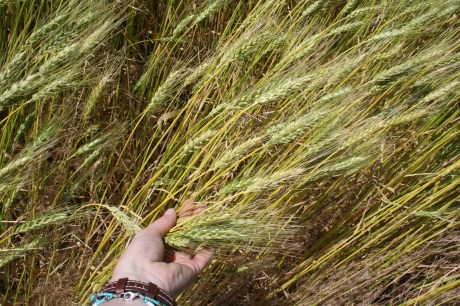
 mktganthropology